

Why Debt Fatigue Feels So Real on Wıìlıìdeh Avenue, the Heart Of Yellowknife
If you’ve lived in Yellowknife long enough, you know how quickly pressure builds: Road work, higher prices, surprise bills, and admin headaches all landing at once. Debt Fatigue is what happens when the rising cost of living causes problems with your household budget.
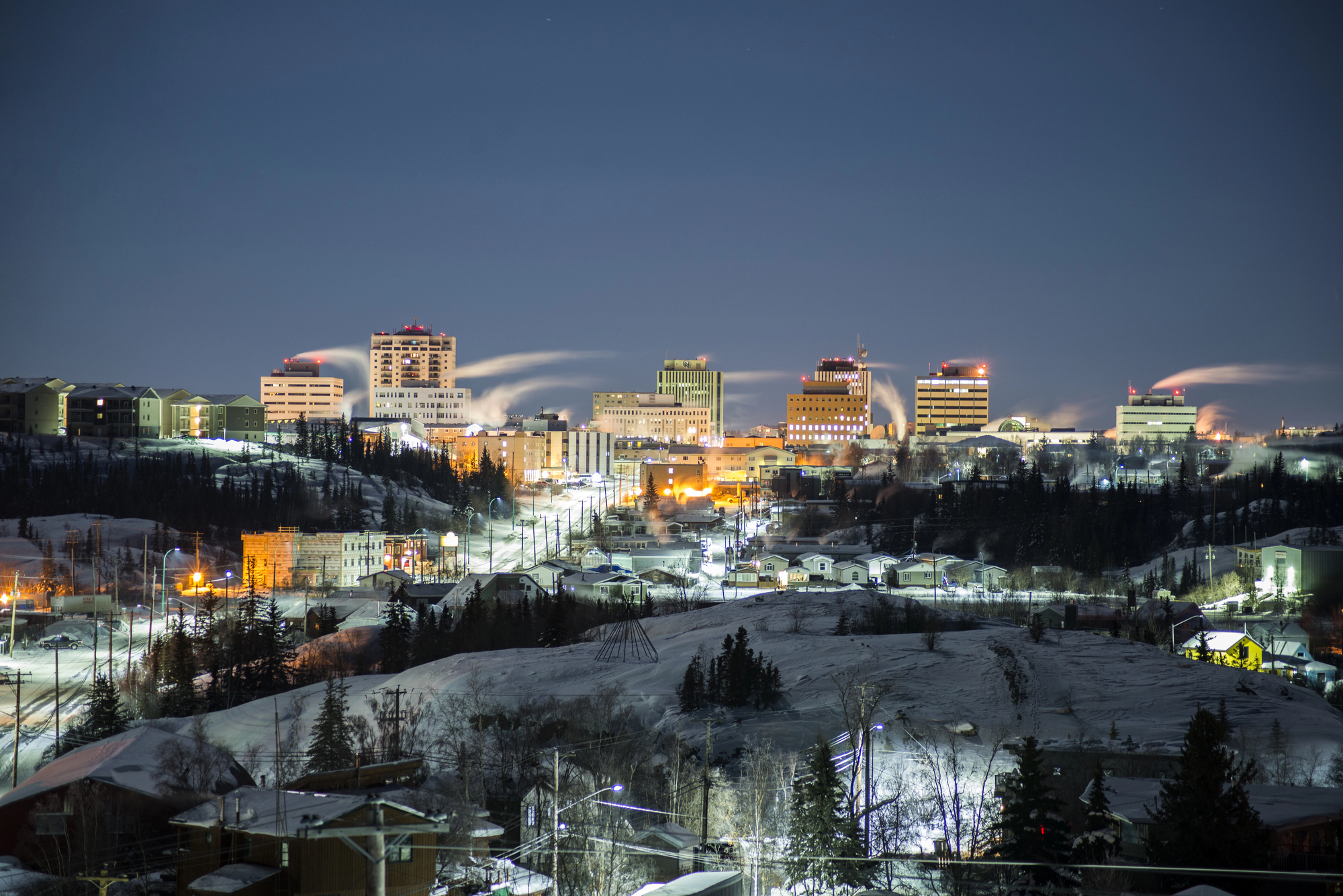
One change is tied to the renaming of Franklin Avenue to Wıìlıìdeh Avenue. The City of Yellowknife voted to rename the street in honour of the Yellowknives Dene First Nation (YKDFN), recognizing the language, identity, and enduring presence of the people of Wıìlıìdeh.
For most households, the changing times mean little for the daily household expenses. For others, especially along the corridor, there are real expenses incurred by small business: address changes to complete, signage costs, letterhead and branding updates, and the costs of the added administration to make these changes happen. Add construction, emergency repairs, and broader downtown disruption, and a civic issue can quickly become a personal cash flow problem.
How Rising Everyday Costs On Wıìlıìdeh Avenue Can Quietly Drain Your Budget
The rename is landing while the municipal budget is already under pressure. With a limited tax base, various municipal fees are set to jump to keep pace with rising costs. Property tax decisions don’t stay at City Hall – they show up in rent, condo fees, business overhead, and service pricing across downtown Yellowknife. The City is also responsible for the costs of paving, traffic upgrades, modernization work, and increased resident safety.
Then come the bills that never stop in the North: housing, heat, groceries, phone, insurance, fuel, and travel. Canada Mortgage and Housing Corporation (CMHC) rental market data tables show how expensive northern housing can be, and Canadian household debt statistics show debt loads are already high relative to income. In Yellowknife, inflation hits harder because baseline costs for utilities, food, transportation, and winter living are already high.
When these pressures stack up, the warning signs of budget stress begin to show. If you’re relying on credit for groceries, only making minimum payments, or delaying payment on one bill to cover another, that’s often a signal the issue has moved beyond simple budgeting and into debt stress.
Practical Ways To Reclaim Your Budget Without Leaving Downtown Yellowknife Behind
The cost of living in Yellowknife is higher than in many other Canadian communities. Housing, groceries, heating, fuel, travel, and everyday essentials can put pressure on even well-managed household budgets. While budgeting can help, the goal isn’t to cut everything—it’s to make sure your money is going where it has the biggest impact.
| Focus On | Why It Matters |
| Plan for seasonal expenses | Budget for winter heating, vehicle maintenance, holiday travel, insurance renewals, and other costs that don’t occur every month. |
| Review your biggest expenses first | Housing, groceries, utilities, fuel, telecommunications, and debt payments usually offer the greatest opportunity to improve your cash flow. |
| Build a small emergency fund | Setting aside even a modest amount each payday can reduce the need to rely on credit cards for unexpected expenses. |
| Look for available assistance | Review government benefits, northern tax deductions, rebates, utility assistance, and employer benefits that may help offset high living costs. |
| Pay down high-interest debt first | Credit card interest can make it difficult to get ahead, even if you’re making your minimum payments every month. |
Not every financial challenge can be solved by spending less. In Yellowknife, many households already budget carefully but still struggle because the cost of living is simply higher. If you’re relying on credit to cover everyday expenses or your debt keeps increasing despite your best efforts, it may be time to explore options such as a consumer proposal or bankruptcy. A Licensed Insolvency Trustee can explain your options and help you find a solution that fits your situation.
If budgeting is no longer enough, it’s important to act early rather than waiting for things to worsen. Speaking with a licensed insolvency professional can help clarify options like debt consolidation loan help, consumer proposals, avoiding bankruptcy and debt, and other alternatives before your situation becomes more strained.
When Budget Stress Becomes A Debt Problem
It’s not always obvious where “tight budgeting” ends and “debt pressure” begins. Some common indicators include:
- Using credit cards or lines of credit for everyday essentials
- Paying only the minimum balances month after month
- Regularly shifting money between bills to stay current
- Watching overall balances increase even while spending stays flat
If these patterns feel familiar, it’s often a sign that structural changes – not just tighter budgeting – are needed.
Take The Next Step With C. Buhler & Associates Ltd.
If you’ve already reduced expenses and you’re still falling behind, that’s usually the point where outside guidance becomes useful. A licensed insolvency professional can walk through options like debt consolidation, consumer proposals, or other structured solutions designed to stabilize cash flow and protect long-term financial health.
At C. Buhler & Associates Ltd., the focus is on sorting urgent costs from optional ones and building a realistic plan based on actual income and obligations. Whether it’s managing overdue balances or preventing deeper financial strain, early action often leads to more flexibility in the options available.
Contact us today to learn more about consumer proposal vs. bankruptcy in Canada.